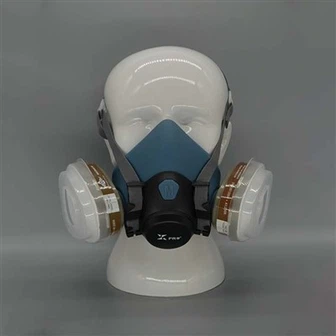
Is it better to use silicone or rubber for Half Facepiece Respirator?
When choosing between silicone and rubber for Half Facepiece Respirator, each material has its benefits and trade-offs:
Silicone
Pros:
Comfort: Silicone is softer, more flexible, and generally more comfortable on the skin, which is especially important for prolonged use.
Durability: It tends to last longer, resisting wear and tear, as well as damage from chemicals and environmental conditions.
Sealing: Silicone creates a better seal, reducing the chances of leaks and improving protection.
Hypoallergenic: It's less likely to cause irritation for sensitive skin.
Temperature Resistance: Silicone can withstand a wider range of temperatures without degrading.
Cons:
Cost: Silicone is typically more expensive than rubber, which can increase the overall cost of the respirator.
Weight: Silicone can be slightly heavier than rubber, though this difference is generally minor.
Rubber
Pros:
Cost-effective: Rubber is often less expensive than silicone, making it a more affordable option.
Good for Basic Protection: Rubber still provides a decent seal and can offer good protection for less demanding environments.
Cons:
Comfort: Rubber can be stiffer and less flexible, which might cause discomfort during long wear.
Durability: Rubber tends to degrade more quickly over time, especially when exposed to extreme temperatures or chemicals.
Allergy Risk: Some people are allergic to natural latex rubber, which can limit its use for certain individuals.
For most users, silicone is the better choice, especially for longer-term wear and in environments that demand high durability and comfort. However, if the cost is a major factor and the working conditions are less demanding, rubber can be a viable alternative. Our company's half-mask masks are made of advanced silicone material. If you are interested in products made of this material, please feel free to contact us!