

Your Professional Low Cut Safety Shoes Supplier
Andysuccess (Xiamen) Industry and Trade Co., Ltd., established in 2010, specializes in the research, development, and production of personal protective equipment including gas masks and FFP2 masks. We welcome inquiries and negotiations from both domestic and international clients via phone or in person.
Professional Team
Our company boasts a highly skilled team with extensive technical expertise and managerial experience.
Customized Service
We offer tailored solutions to meet specific customer requirements and provide timely support as needed.
Competitive Pricing
Benefiting from an efficient management system and superior product quality, we are able to maintain competitive and reasonable pricing.
Advanced Production Equipment
We are equipped with state-of-the-art manufacturing facilities to ensure high-quality production.


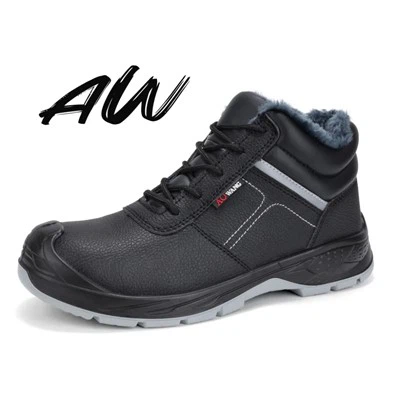
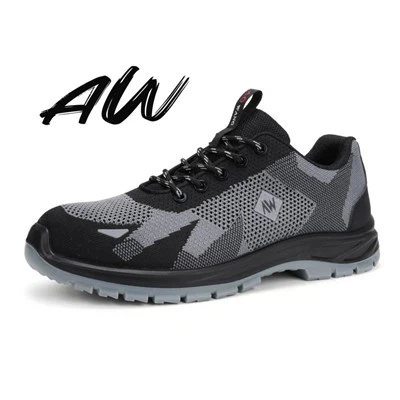
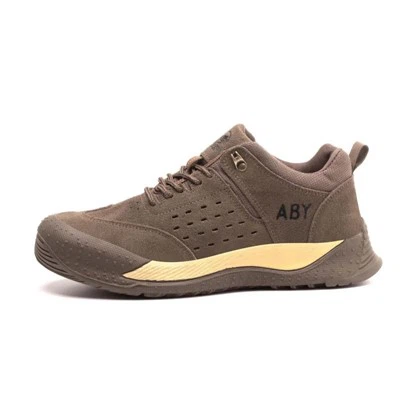
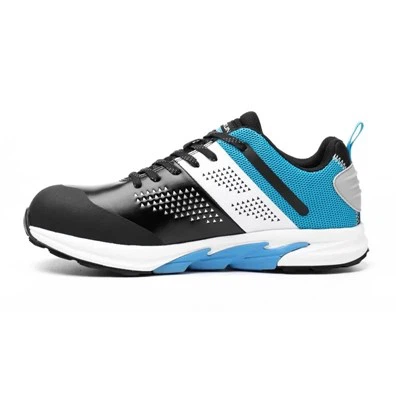
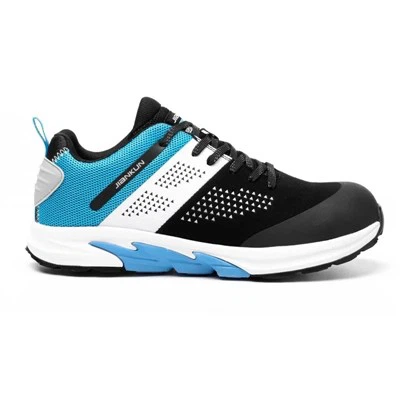
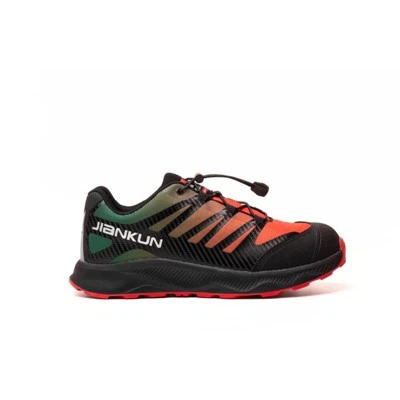
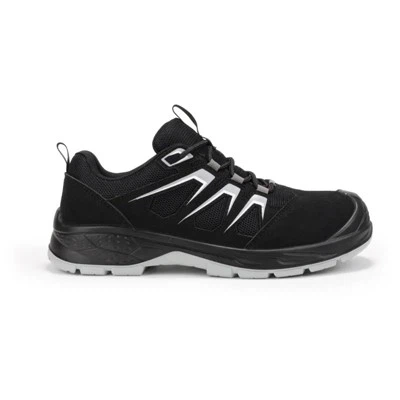
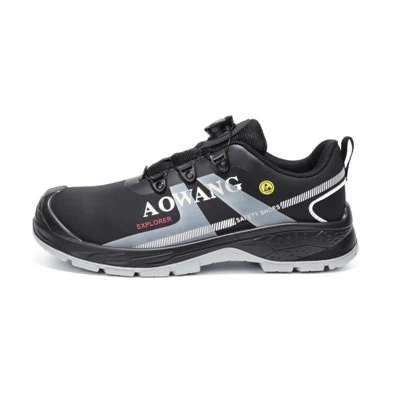

Specifications of Low Cut Safety Shoes
|
Product Reference/Article No./Item No. |
SF060 |
SF059 |
|
Upper |
Split leather |
Split leather |
|
Toecap/Toe |
Steel toe |
Steel toe |
|
Lining |
Mesh |
Mesh |
|
Insole/Inlay Sole/Footbed |
EVA |
EVA |
|
Midsole/Insert Plate |
Steel plate |
Steel plate |
|
Outsole |
PU/PU |
PU/PU |
|
Sole Construction Technique |
Injection |
Injection |
|
Standards |
EN ISO 20345:2011 S3 SRC; ASTM F2413-18; CAN/CSA Z195-14; AS/NZS 2210.3:2009 |
EN ISO 20345:2011 S3 SRC; ASTM F2413-18; CAN/CSA Z195-14; AS/NZS 2210.3:2009 |
|
Size Range |
EU 36-47 |
EU 36-47 |

Safety Features of Low Cut Safety Shoes
● P – Puncture resistance
● C – Electrical resistance (non-conductive)
● A – Electrical resistance (anti-static)
● E – Energy-absorbing heel
● HI – Heat insulation (degree to which the feet remain cool in the shoe)
● CI – Cold insulation (degree to which the feet remain warm in the shoe)
● WRU – Water repellent uppers
● HRO – Heat-resistant outsole (300 °C)
Applications of Low Cut Safety Shoes
Protection Against Foot Injuries
One of the primary uses of safety shoes is to shield the feet from injuries caused by falling objects, sharp tools, or heavy equipment. Steel-toe caps, reinforced midsoles, and sturdy materials provide a barrier against impacts and punctures, reducing the risk of serious injuries.
● Construction: Protects against falling bricks, tools, or heavy machinery.
● Manufacturing: Shields feet from sharp metal shavings or spilled molten materials.
Prevention of Slips and Falls
Workplaces with wet or oily floors pose a significant slipping hazard. Safety shoes equipped with slip-resistant soles provide excellent traction, minimizing the risk of falls. This is especially important in:
● Food and Beverage: Kitchens and production lines often deal with spills.
● Healthcare: Hospitals have polished floors that can become slippery.
Electrical Hazard Protection
Certain safety shoes are designed to protect workers from electrical hazards by preventing the build-up of static electricity or insulating the wearer from live electrical currents. These are particularly beneficial in:
● Electrical Work: Technicians and electricians working near live wires.
● Chemical Plants: Where static electricity could ignite flammable materials.
Support and Comfort for Long Work Hours
Long hours of standing or walking can lead to fatigue, back pain, and foot discomfort. Modern safety shoes are ergonomically designed with cushioned soles and arch support to provide comfort and reduce strain on the lower body. Industries benefiting from this include:
● Logistics: Workers spend long hours moving goods.
● Retail and Warehousing: Employees are often on their feet throughout the day.
Chemical Resistance
In industries where exposure to harmful chemicals is common, safety shoes made from specific materials can protect feet from burns, corrosion, or absorption of toxic substances. Examples include:
● Chemical Manufacturing
● Oil and Gas
Prevention of Frostbite and Heat-Related Injuries
Extreme weather conditions can harm the feet. Insulated safety shoes help workers maintain proper foot temperature in freezing environments, while heat-resistant options protect feet in high-temperature settings like foundries.
Step 1: Dry your feet and socks
Moisture and comfort don’t go hand in hand. You want to avoid any type of wetness getting into the shoes, as this can cause discomfort and irritation. Thus, prior to putting on your safety shoes, ensure that your feet and socks are completely dry.
Step 2: Put on your socks
Now, you can put on your socks. Remember to stretch and smoothen out any folds. Additionally, a good sock to wear with safety shoes is also another factor for comfort. Polyester, bamboo, or wool socks are better choices than cotton. It is because they don’t absorb as much sweat as cotton does, leaving your feet damp.
Step 3: Wear the safety shoes
Before getting into your safety shoe, check the insole. Make sure it doesn’t shift from its position. If it does, simply adjust it to the correct position. Once your feet are in, move your feet into the toe area. Your toes should fit snuggly. If you feel cramped in that area, the safety shoe is likely too small for your feet.
Step 4: Move your feet back and forth
Next, carefully move your feet back and forth to allow the insole to get in position with the anatomy of your feet.
Step 5: Tie the shoelaces
The last step is to securely tie your shoelaces so that they won’t untangle easily. However, you don’t want to tie them too tight so as to not affect blood circulation. Most importantly, you should never wear safety shoes with the shoelaces untied. Your feet won’t be fully protected and you may trip on the shoelaces which can cause injuries.
Customized Production Process of Low Cut Safety Shoes
Design the style and develop the pattern, cutting the leather.
The first step in making safety shoes is to design the style and develop the pattern, which is usually done by a pattern master. Once the design is complete, the next step is to cut the hide according to the pattern, which is carried out by a cutting master who uses professional tools to cut the hide into the proper shape and size.
Sewing
Sewing is the core process of labor protection shoes production, which requires the use of sewing machines. When sewing, it is necessary to pay attention to the treatment of the thread, so as not to affect the beauty and service life of the shoes. When sewing, we will add breathable mesh cloth or waterproof film according to customer requirements to enhance the characteristics of the shoe.
Steel Toe/Sole Installation
Next, we will place the sewn upper on the last, which will form the basic shape of the shoe. The last is the key mold in the shoe making process, which determines the final shape and size of the labor protection shoes.
High-Temperature Shaping
After installing the steel toe and sole of the safety shoe, we will give the shoe a high temperature setting.
Sole Attachment
Next, fix the upper and sole. There are different styles of soles for customer’s choice.
● Dual-Density Injection Sole
● Single-Density Injection Sole
● Adhesive sole
● Kevlar sewn sole
Quality Testing
Before packaging, we will carry out a series of quality tests on labor protection shoes.
Packaging
Finally, for the packaging of labor protection shoes, we will help customers customize labor protection shoes color boxes, labels, etc., and before loading into the shoe box, we will clean and check the quality of the shoes.
Packaging and Shipping
|
Packaging Way |
Outer Boxes: Use sturdy, double-walled corrugated cardboard boxes. Inner Packaging: Using foam inserts or biodegradable packing peanuts for cushioning. Plastic Bags: Use moisture-resistant bags to protect individual boots from humidity. |
|
Shipping Way |
We will help you to choose the best shipping way according to your detail requirements. By sea, by air, or by express, etc. |
Our Certifications

FAQ
We're professional low cut safety shoes suppliers in China, specialized in providing high quality customized products. We warmly welcome you to buy or wholesale high-grade low cut safety shoes for sale here from our factory. For price consultation, contact us.
chinese construction