

What Extra Safety Features Are Needed for Safety Boots in the Chemical and Oil Industry?
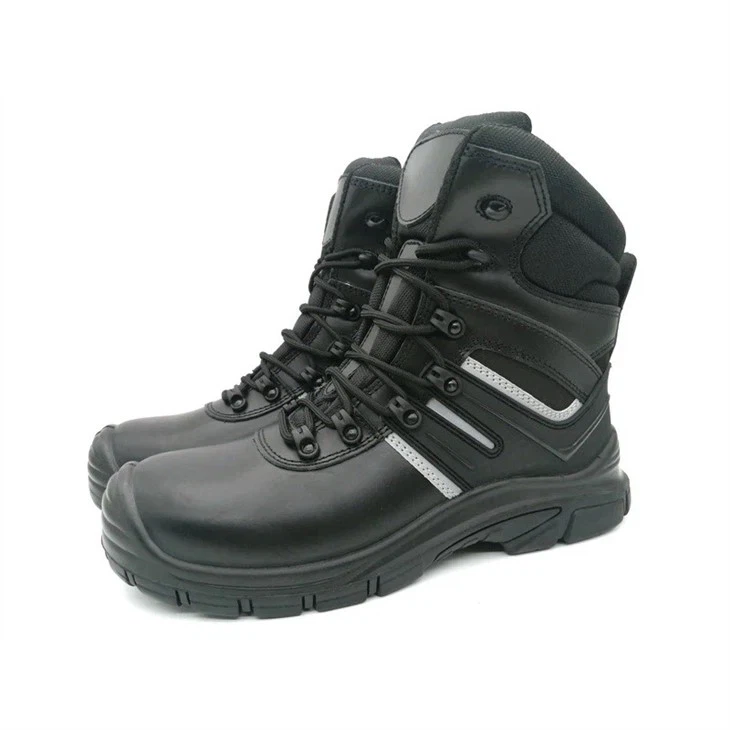
In the chemical and petroleum industries, workers operate in some of the most challenging and hazardous environments - surrounded by corrosive chemicals, oil spills, extreme heat, and explosive atmospheres. In such conditions, High Heel Safety Boots and other forms of advanced safety footwear are not just protective gear but essential personal protective equipment (PPE) that ensure both operator safety and compliance with international EHS standards.
Selecting the right chemical-resistant and anti-static safety boots is critical to minimizing workplace injuries, preventing chemical burns, and reducing slip-related accidents in refineries, chemical plants, and oil & gas facilities. Beyond basic protection, buyers must evaluate additional features such as heat resistance (HRO), fuel and oil resistance (FO), waterproofing (WRU), and slip resistance (SRC) to meet the demanding requirements of these industrial environments.
This article provides a comprehensive guide to the extra safety features required for safety boots in the chemical and oil industry, helping procurement managers, safety engineers, and facility supervisors make informed purchasing decisions that balance durability, compliance, and comfort.
1. Chemical Resistance: Protect Against Corrosive Substances
Chemical spills and splashes are common in refineries and chemical factories.
That's why chemical resistant safety boots are designed with special materials such as:
Full-grain leather with a DWR (Durable Water Repellent) coating
Nitrile rubber (NBR) or PU-coated uppers
PVC or PU boots for direct liquid exposure
These materials prevent chemical degradation and maintain flexibility even after prolonged contact with acids, alkalis, and solvents.
Look for compliance with EN 13832 standards for chemical-resistant footwear.
Tip for Buyers: Always check the chemical compatibility chart. No single material resists all chemicals.
2. Oil and Fuel Resistance: Essential for Refineries and Workshops
In oil refineries, lubricant plants, or maintenance areas, exposure to oil and fuel is unavoidable.
Outsoles certified with the FO (Fuel Oil Resistance) marking under EN ISO 20345 ensure that the sole won't soften, crack, or detach after long contact with petroleum-based substances.
Rubber or PU/Rubber dual-density soles are ideal for oil and gas environments - they offer both flexibility and long-term resistance to hydrocarbons.
3. Anti-Static or ESD Protection: Prevent Static Sparks
Static electricity is one of the leading causes of ignition in explosive zones (ATEX environments).
That's why anti-static safety boots (A) or ESD safety footwear are mandatory in refineries and chemical plants.
These boots maintain electrical resistance between 100 kΩ and 1 GΩ, safely dissipating static charges to prevent sparks and explosions.
⚠️ Procurement Insight: Always request test certificates proving compliance with EN ISO 20345 – A / ESD and, where applicable, IECEx or ATEX standards.
4. Heat Resistance (HRO): Withstand Hot Surfaces
Welders, maintenance engineers, and operators in petrochemical plants often work near hot pipelines, furnaces, or asphalt.
HRO-certified outsoles (Heat Resistant Outsole) can withstand up to 150–300°C without melting or deformation.
High-quality safety boots use nitrile rubber outsoles, providing heat resistance along with oil and chemical protection - ideal for refinery conditions.
5. Slip Resistance (SRC): Stability on Oily and Wet Floors
Oil, water, and chemical spills create extremely slippery surfaces.
That's why SRC-rated safety boots - tested on both ceramic and steel floors with lubricant - are essential for minimizing slip accidents.
Advanced tread patterns with 3D grooves and drainage channels further enhance grip, helping workers stay stable on contaminated surfaces.
6. Toe Protection and Puncture Resistance
Even in chemical and oil environments, traditional risks like falling tools or sharp debris remain.
Modern high-safety boots feature:
Composite toe caps - lighter and non-metallic, corrosion-free, and electrically non-conductive
Kevlar® or aramid midsole plates - offering up to 1100 N puncture resistance while keeping the boot flexible
Together, they meet the EN ISO 20345 S3 protection class - combining anti-penetration, anti-slip, anti-static, and water-resistant features.
7. Waterproof and Breathable Construction
Outdoor oil and chemical plants often involve wet conditions or cleaning zones.
Safety boots rated S2 or S3 include WRU (Water Resistant Upper) protection.
Premium designs add sealed seams and waterproof membranes to prevent fluid ingress without sacrificing breathability.
8. Comfort and Hygiene: Often Overlooked but Critical
Chemical and oil industry workers often wear their boots for 10–12 hours daily.
A good pair of safety boots should include:
3D mesh antibacterial lining with moisture control
EVA or PU insoles for shock absorption
Ergonomic heel design to reduce fatigue
Anti-odor and antimicrobial treatment for hygiene in humid environments
👣 Remember: Comfort directly impacts productivity and worker safety compliance.
Recommended Safety Standards for Chemical & Oil Industry Footwear
| Protection Type | Standard | Symbol | Description |
|---|---|---|---|
| Impact & Compression | EN ISO 20345 | S | 200 J Toe Protection |
| Puncture Resistance | EN ISO 20345 | P | ≥1100 N Penetration Resistance |
| Anti-Static | EN ISO 20345 | A / ESD | Discharge Static Electricity |
| Slip Resistance | EN ISO 20345 | SRC | Tested on Ceramic & Steel Surfaces |
| Oil Resistance | EN ISO 20345 | FO | Resistant to Fuel & Oil Degradation |
| Waterproof | EN ISO 20345 | WR / WRU | Water Repellent Leather & Linings |
| Heat Resistance | EN ISO 20345 | HRO | Up to 150–300°C |
| Chemical Resistance | EN 13832 | - | Acid & Solvent Protection |
Safety Starts from the Ground Up
For the chemical and petroleum industries, safety boots are not just a uniform requirement - they are the first line of defense against hazardous environments.
When sourcing oil and gas safety footwear, look for models that combine:
✅ Chemical resistance,
✅ Anti-static protection,
✅ Heat and oil resistance, and
✅ Certified EN ISO 20345 S3 SRC HRO compliance.
A well-chosen safety boot ensures not only worker protection but also reduced downtime, higher productivity, and compliance with global EHS standards.