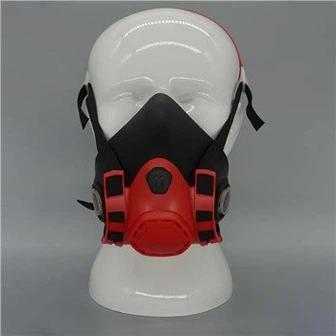
The Role of Half Facepiece Respirators in Protecting Against Dust and Particulate Matter
Half facepiece respirators play a crucial role in safeguarding workers from airborne dust and particulate matter, which are common hazards in various industries such as construction, manufacturing, mining, and agriculture. These respirators are designed to provide effective respiratory protection by filtering out harmful particles from the air, reducing the risk of respiratory diseases and other health issues associated with inhaling dust.
1. Effective Filtration of Particulate Matter
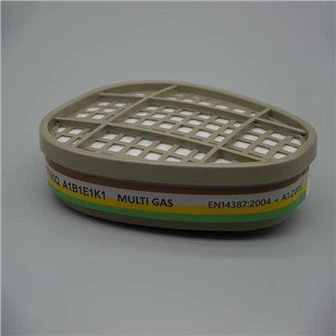
Half facepiece respirators are equipped with specialized filters that can capture different types of particulate matter, including:
Dust: Common in construction, demolition, and woodworking.
Aerosols: Fine liquid particles that can be generated in industries like pharmaceuticals and chemical manufacturing.
Fumes: These are very fine particles that result from heat processes, such as welding or metalworking.
Mists: Found in spray-painting, pesticide application, and other processes involving liquids.
The respirators' filters are designed to trap these particles and prevent them from being inhaled, thus providing the wearer with a clean air supply. The filters are usually classified according to their efficiency in capturing particles, with higher-rated filters offering better protection.
2. Types of Filters for Dust and Particulate Protection
The protection offered by half facepiece respirators depends largely on the type of filter used. The two most common types of particulate filters are:
N-Series Filters: These filters are not resistant to oil and are typically used in environments where oil-based particulates are not present. They are ideal for environments with dust and non-oil-based aerosols.
P-Series Filters: These filters are oil-resistant and are designed to protect against both oil-based and non-oil-based particulate matter, making them suitable for a wider range of industrial environments.
Both types of filters are tested and rated for efficiency in capturing fine particulate matter, ensuring that workers are protected from harmful exposure.

3. Protection from Respiratory Hazards
Long-term exposure to dust and particulate matter can lead to a range of serious health problems, including:
Respiratory conditions: Such as asthma, chronic obstructive pulmonary disease (COPD), and silicosis (in the case of fine silica dust).
Lung cancer: Long-term exposure to certain particulate matter, especially in industries like mining or construction, can increase the risk of lung cancer.
Reduced lung function: Continued exposure to dust and fumes can impair lung function over time.
Half facepiece respirators, with their effective particulate filtration, provide essential protection against these health risks, ensuring that workers are not exposed to dangerous levels of dust or harmful particles.
4. Comfort and Extended Use
Half facepiece respirators are designed for comfort, allowing workers to wear them for long periods without significant discomfort. Features like adjustable straps and breathing valves reduce the accumulation of heat and moisture, making them more comfortable than some other types of respiratory protection.
This comfort is especially important for workers who are exposed to dust and particulate matter throughout the workday. The ability to wear a respirator for extended periods without experiencing excessive discomfort ensures consistent protection.
5. Compliance with Safety Standards
In many industries, the use of half facepiece respirators with appropriate particulate filters is not just a matter of health and safety, but a legal requirement. Occupational safety organizations such as OSHA (Occupational Safety and Health Administration) and NIOSH (National Institute for Occupational Safety and Health) establish guidelines and standards for respiratory protection, including the use of respirators to protect workers from airborne particulates.
Half facepiece respirators that are NIOSH-approved provide a reliable level of protection, ensuring compliance with safety regulations and reducing the likelihood of respiratory-related illnesses.
Conclusion
Half facepiece respirators are an essential tool in protecting workers from dust and particulate matter in various industries. By providing effective filtration, offering comfort during extended use, and ensuring compliance with safety regulations, these respirators play a vital role in safeguarding worker health and preventing respiratory illnesses. Choosing the right respirator, with the appropriate filter for the job, is crucial for ensuring optimal protection in environments with significant dust or particulate exposure.