How effective is the filtering of a Half Facepiece Respirator?
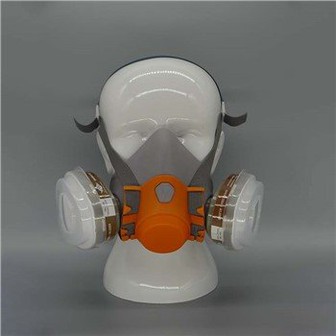
The effectiveness of a half facepiece respirator in filtering airborne contaminants depends on several factors, including the type of filters or cartridges used, the fit of the respirator, and the specific hazards present.
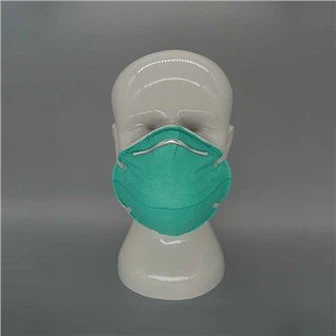
 Particle Filtration: Half facepiece respirators with particulate filters (often rated P100, N95, or similar) can be highly effective in filtering out fine particles, such as dust, fumes, and aerosols. For example, an N95-rated filter can remove at least 95% of airborne particles. A P100 filter can capture 99.97% of airborne particles, offering a higher level of protection.
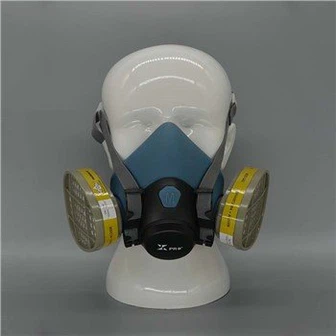
Gas and Vapor Filtration: When equipped with chemical cartridges, a half facepiece respirator can also filter out harmful gases and vapors, like organic vapors, acid gases, or ammonia. The effectiveness depends on the specific type of cartridge used and its suitability for the target contaminant.
Fit: The effectiveness of a half facepiece respirator is significantly influenced by how well it fits the wearer's face. A tight, proper seal is essential to ensure that contaminants do not bypass the filters through gaps between the mask and skin. Fit testing is necessary to determine whether the respirator provides adequate protection.
Maintenance: Regular maintenance is crucial for optimal performance. Filters should be replaced according to the manufacturer's recommendations or sooner if breathing resistance increases, or if contaminants breakthrough.
The half facepiece respirators can offer substantial protection when used correctly, with a protection factor ranging from 10 to 50, depending on the specific model, filter type, and fit. However, for environments with higher concentrations of contaminants or in situations requiring extended protection, a full-face respirator or other higher-rated protective equipment may be more appropriate.