Which is better N95 or half-mask respirator?
The choice between an N95 respirator and a half-mask respirator depends on the specific work environment and the level of protection required.
N95 Respirator: An N95 respirator is a type of disposable, air-purifying respirator that provides a high level of protection against airborne particles, filtering out at least 95% of particles that are 0.3 microns or larger. It is lightweight, easy to wear, and offers a good seal for most users. N95s are ideal for environments with airborne particulate hazards like dust, fumes, and certain biological agents (e.g., viruses, bacteria). However, they typically do not offer protection against gases or vapors.
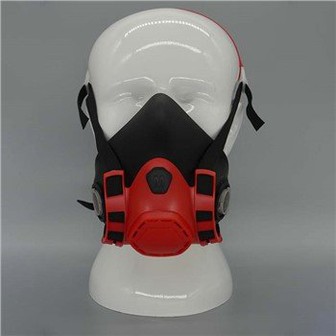
Half-Mask Respirator: A half-mask respirator is a reusable, more versatile option that can accommodate a variety of filters or cartridges, including those for gases, vapors, and particulates. This makes it more suitable for environments with a wider range of contaminants, including chemical exposure. Half-mask respirators offer a higher level of comfort for extended wear, as they are often equipped with adjustable straps and replaceable filters.
Key Differences:
Protection: N95 respirators are effective primarily against particulate matter. Half-mask respirators can be fitted with a variety of filters for both particles and gases.
Comfort: N95s are generally lighter and more breathable, but half-mask respirators offer better comfort for prolonged use, with the option to change filters.
Versatility: Half-mask respirators are more versatile, as they can be equipped with different filters for a broader range of hazards.
If your primary concern is particulate protection (e.g., dust, smoke, or pathogens), an N95 may be the better option. If you need more protection, including against chemicals or gases, or if you need a respirator for longer periods, a half-mask respirator would likely be a better choice.