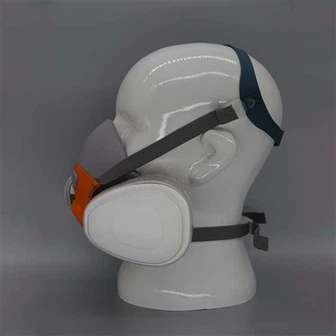
Acid Gas Respirator: Definition and Function
An acid gas respirator is a type of respiratory protection device specifically designed to filter out harmful acid gases, such as hydrogen chloride (HCl), sulfur dioxide (SO₂), or chlorine (Cl₂). These gases are common in industrial environments like chemical plants, refineries, and laboratories, where exposure to toxic or corrosive substances is a risk.
 How it Works:
Acid gas respirators typically use specialized cartridges or filters containing materials such as alkaline substances that neutralize acid gases as they pass through. This helps to prevent the inhalation of harmful chemicals, protecting the respiratory system. They are usually part of air-purifying respirators, meaning they rely on filters to clean the air before the wearer breathes it in.
Applications:
These respirators are used in environments where workers may be exposed to toxic acid gases, including industries such as:
Chemical manufacturing
Petrochemical refining
Pulp and paper production
Laboratories dealing with corrosive chemicals
Protection and Limitations:
While acid gas respirators provide significant protection against exposure to harmful gases, they are not suitable for environments lacking sufficient oxygen or for more complex airborne hazards like particulate matter. It's also important to ensure proper fit and regular replacement of filters to maintain effective protection.